
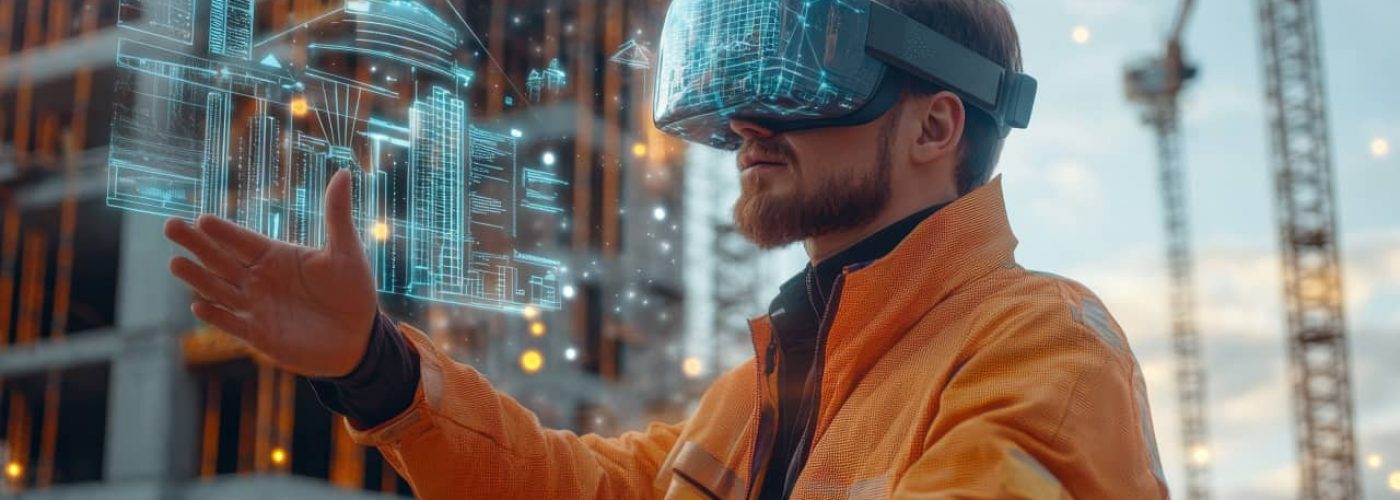
The construction business, essential to infrastructure development, has long been characterized by physically demanding tasks that place significant strain on workers. From long hours to the physical toll of heavy lifting and repetitive tasks, the challenges are numerous. However, the advent of construction technology is transforming how these challenges are addressed.
From advanced machinery and automation to wearable tech that enhances worker safety and productivity, these innovations are reshaping the industry. But how much can technology really alleviate the pressure on construction workers? This article explores the potential of construction technology to improve working conditions and reduce the physical burden on those at the heart of the industry.
The Heavy Burden of Traditional Construction Labor
Construction work has always been physically demanding, with workers regularly engaging in strenuous activities that take a toll on their bodies. Tasks such as heavy lifting, carrying large materials, operating manual tools, and working in uncomfortable positions can lead to long-term health issues like back pain, joint problems, and repetitive strain injuries. The nature of the job often requires workers to be on their feet for long hours, exposed to harsh weather conditions and unsafe environments. The physical stress can not only diminish their quality of life but also affect their productivity and safety on the job site. Injuries and fatigue are some of the top causes of downtime, leading to slower progress on construction projects.
Construction workers also face unpredictable schedules, tight deadlines, and high expectations, which can contribute to mental and emotional strain. The combination of physical labor and stress can create a cycle of exhaustion, putting workers at greater risk for accidents and long-term health issues. Many workers suffer from musculoskeletal injuries, which are among the most common in the industry. Despite the advancements in some areas of construction, the physical demands of the job remain a significant concern, making it essential for the industry to explore solutions that can reduce strain and improve workers’ well-being.
Automation: A Game Changer for Construction Labor
Automation is transforming the construction industry by taking over some of the most physically demanding and repetitive tasks, offering workers relief from strenuous labor. Machines and robots are now capable of handling heavy lifting, bricklaying, welding, and even painting, which were once manual jobs that placed significant strain on construction workers. Drones are also playing a vital role, in surveying large construction sites and gathering data from hard-to-reach areas, thus eliminating the need for workers to climb or navigate dangerous terrains. These advancements are not only increasing efficiency but also enhancing worker safety, reducing the risk of injury that comes with physically demanding tasks. Automation allows workers to focus on higher-skilled tasks while leaving the more tedious, physically intense duties to machines.
The rise of automation also helps to address labor shortages in the construction industry, where finding skilled workers has become increasingly challenging. Automated machinery can operate for longer hours, improving productivity while reducing the reliance on manual labor. This shift not only helps alleviate physical strain but also supports the industry’s overall efficiency, allowing projects to be completed faster and more safely. As technology continues to evolve, the construction industry is likely to see even more automation applications, further redefining the role of human labor on job sites and enhancing the working conditions for construction workers across the board.
Wearable Technology: Revolutionizing Safety and Comfort on the Job Site
Wearable technology is quickly becoming a game changer in the construction industry, offering innovative solutions to enhance worker safety and comfort. Devices such as exoskeletons, smart helmets, and wearable sensors are designed to reduce the physical strain placed on workers during demanding tasks. Exoskeletons, for example, are wearable suits that assist with lifting and carrying heavy materials by supporting the body and distributing the load more evenly. This technology can significantly reduce the risk of musculoskeletal injuries, which are among the most common in construction. Similarly, smart helmets equipped with sensors provide real-time data on environmental conditions, offering alerts about potential hazards such as unsafe air quality or nearby machinery, keeping workers safer in dynamic work environments.
In addition to enhancing safety, wearable tech also improves worker comfort, making it easier to perform physically demanding tasks over extended periods. Smart clothing and wearable devices that track movement, heart rate, and fatigue levels provide workers with valuable insights into their physical condition, allowing them to adjust their activity levels to avoid overexertion. These advancements not only protect workers from injury but also contribute to overall productivity by helping workers maintain peak performance throughout the day. As wearable technology continues to evolve, its integration into construction sites promises a safer, more comfortable work environment, enabling workers to focus on their tasks without the constant worry of physical strain or safety concerns.
Building Information Modeling (BIM): Reducing Strain Through Smart Planning
Building Information Modeling (BIM) is revolutionizing the construction industry by streamlining the planning and design processes, which ultimately reduces the physical strain on workers. By creating a digital representation of a building or infrastructure project, BIM allows for detailed 3D visualizations and simulations that identify potential issues before construction begins. This level of advanced planning means fewer unexpected challenges on-site, leading to more efficient workflows and reducing the need for workers to perform tedious, time-consuming tasks. With clearer project blueprints and more accurate data, workers can avoid unnecessary physical labor and focus on tasks that require their skills, not just their physical strength.
BIM also enhances collaboration between project teams, ensuring that all stakeholders—designers, contractors, and engineers—are on the same page from the start. By minimizing errors and optimizing the sequence of construction tasks, BIM prevents workers from having to redo work or handle the fallout from mistakes. This reduction in errors and rework not only saves time but also lessens the physical toll on workers who might otherwise be asked to perform corrective labor. As more construction projects adopt BIM technology, the industry can expect to see a decrease in the physical strain experienced by workers, leading to safer, more efficient, and less stressful job sites.
3D Printing and Prefabrication: Streamlining Construction and Reducing On-Site Labor
3D printing and prefabrication are transforming the way construction projects are executed by minimizing the amount of labor required on-site. With 3D printing, complex building components such as walls, panels, and even entire structures can be produced off-site in a controlled environment. This technology enables the rapid production of custom-designed parts, reducing the need for workers to spend time on manual fabrication and assembly at the job site. By bringing pre-assembled or pre-manufactured elements directly to the site, the construction process becomes significantly more efficient, cutting down on the amount of physical labor needed to complete a project.
Prefabrication further enhances this efficiency by allowing entire sections of a building, like bathrooms or kitchen modules, to be built in a factory before being transported to the construction site. This reduces the complexity of on-site construction, allowing workers to focus on installation rather than the physically demanding tasks of building from scratch. The combination of 3D printing and prefabrication also leads to fewer errors and less rework, as components are precisely manufactured with fewer variables. By reducing the amount of manual labor and heavy lifting required, these innovations not only speed up project timelines but also alleviate the physical strain on construction workers, contributing to safer and more productive job sites.
Improving Worker Health Through Smart Construction Tools
The introduction of smart construction tools is playing a crucial role in enhancing the health and well-being of workers on the job site. These tools are designed with ergonomics and safety in mind, ensuring that workers can perform tasks more efficiently while minimizing the physical strain. Whether it’s through equipment that reduces the need for heavy lifting or tools that monitor a worker’s physical condition in real time, smart technology is helping to prevent injuries and improve overall worker health. By incorporating these innovations into daily operations, construction companies can create a healthier work environment that boosts productivity while keeping workers safe from fatigue and strain.
Key benefits of smart construction tools include:
- Ergonomic Design: Tools and machinery designed to reduce physical stress, such as lighter equipment or power-assist tools, help workers avoid overexertion.
- Real-Time Monitoring: Wearable devices and sensors that track vital signs, body movement, and fatigue levels, allow workers to adjust their activity before physical strain becomes an issue.
- Enhanced Safety Features: Smart tools equipped with sensors to alert workers of nearby hazards, such as moving machinery or falling objects, reducing the risk of accidents.
- Injury Prevention: Equipment like exoskeletons that support the body while lifting or performing repetitive motions, lowers the chances of musculoskeletal injuries.
- Data-Driven Insights: Construction tools that collect data to help track worker health trends and identify potential risks before they result in injury or illness.
By integrating these tools into construction sites, companies are not only improving worker health but also creating a safer and more efficient environment that reduces downtime and enhances productivity.
Digital Project Management Tools: Reducing Stress and Overwork in Construction
Digital project management tools are reshaping how construction projects are planned, executed, and monitored, offering a way to significantly reduce stress and overwork for construction teams. These tools provide a centralized platform where all project details—schedules, budgets, resources, and tasks—can be accessed and updated in real time. This transparency allows project managers and workers to stay on the same page, avoiding the confusion and miscommunication that often lead to long hours and unnecessary stress. By streamlining tasks, prioritizing workloads, and automating repetitive processes, digital tools help ensure that every aspect of a project runs smoothly, reducing the mental strain that often accompanies complex construction jobs.
With digital project management tools, the pressure to juggle multiple tasks and manage unexpected issues is lessened, as these tools can quickly identify potential delays and provide solutions before they become major problems. They also allow for better resource allocation and scheduling, preventing workers from being overburdened and ensuring that tasks are distributed efficiently. As a result, construction teams are less likely to experience burnout or exhaustion from overwork. These digital innovations not only help in meeting deadlines and staying within budget but also contribute to a healthier, more balanced work environment, reducing stress and improving overall job satisfaction for workers at all levels.
The Future of Construction: Technology’s Role in Shaping Worker Well-Being
As technology continues to evolve, the construction industry is poised to undergo a transformation that will significantly improve worker well-being. In the coming years, advancements in automation, wearable tech, and AI-driven tools will further reduce the physical demands of construction jobs, making tasks less strenuous and more efficient. Robots and drones are expected to take over even more dangerous and repetitive tasks, while smart tools will continue to monitor worker health and prevent injuries by providing real-time data on fatigue, posture, and vital signs. This increased reliance on technology will not only improve safety but also contribute to longer, healthier careers for construction workers by minimizing the risk of physical and mental strain.
Looking ahead, the integration of cutting-edge technologies such as virtual reality (VR) and augmented reality (AR) will also play a crucial role in enhancing worker training and reducing stress on the job. VR and AR can simulate real-world scenarios, allowing workers to practice in a controlled environment before stepping onto the job site. This immersive training can boost confidence, reduce errors, and prepare workers for the challenges they may face, ultimately alleviating stress. As construction companies continue to adopt these innovations, the future of the industry will prioritize worker health and safety, paving the way for a more sustainable and worker-friendly construction environment.
Transforming the Construction Industry for a Healthier Workforce
The integration of technology in the construction industry is undoubtedly changing the landscape of how projects are executed, making it easier for workers to perform their jobs with less physical strain and more safety. From automation and wearable technology to digital project management tools and 3D printing, these innovations are improving not only the efficiency of construction processes but also the well-being of workers. By reducing on-site labor, preventing injuries, and providing smarter solutions for project management, technology is creating a work environment that supports worker health and enhances productivity. For businesses seeking to leverage the best of what construction technology has to offer, AIME Construction Group, LLC stands out as the ideal partner. Whether you are looking for commercial, multi-family, or residential custom homes, additions and renovations, or fire and water damage restoration services, our team is equipped to bring your project to life with cutting-edge tools and a focus on worker safety and well-being. Visit our website today for more information and to contact us for all your construction needs.
