
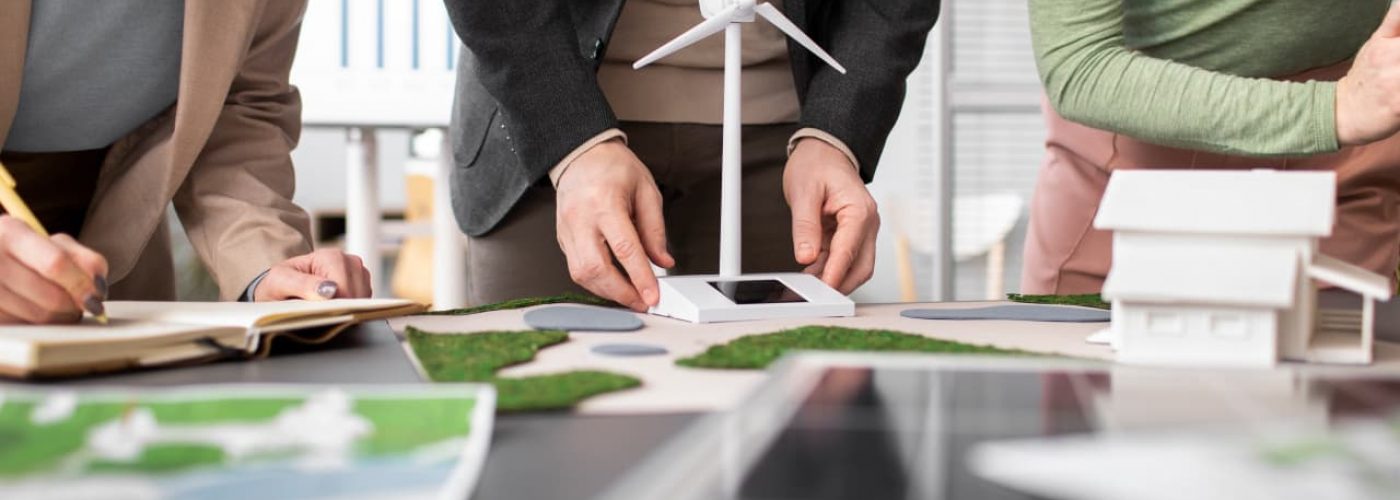
As the construction industry continues to evolve, sustainability has become a central focus. With the growing awareness of climate change and environmental challenges, construction professionals have a unique opportunity—and responsibility—to advocate for industry-wide changes that promote sustainability. From adopting green building practices to advocating for eco-friendly materials, these professionals play a pivotal role in shaping the future of construction. In this article, we’ll explore how construction professionals can take meaningful steps to influence sustainable practices, reduce environmental impacts, and contribute to a greener, more resilient industry.
The Growing Need for Sustainability in Construction: A Call to Action
The construction industry is one of the largest contributors to global carbon emissions and waste generation, making sustainability not just a trend but an urgent necessity. As cities continue to expand and infrastructure demands increase, the environmental toll of construction projects can no longer be ignored. The depletion of natural resources, pollution, and the growing effects of climate change are direct consequences of unsustainable building practices. This is why professionals in the field must prioritize sustainability as an essential part of their work. Beyond the environmental impact, there is also growing regulatory pressure, as governments worldwide enact stricter building codes and environmental standards to combat climate change.
Furthermore, the demand for eco-friendly construction is not just driven by regulations but also by market forces. Consumers, investors, and businesses alike are increasingly prioritizing sustainability, with many demanding greener buildings and construction processes. Professionals who fail to embrace these changes risk falling behind in a competitive market. The construction sector must evolve to meet the needs of a more eco-conscious world, and this shift towards sustainability presents an opportunity for those willing to lead the charge. By understanding the urgency of sustainability, construction professionals can help shape a greener, more resilient future for the industry and the planet.
Leading the Way with Green Building Standards and Certifications
One of the most effective ways construction professionals can advocate for sustainability is by embracing green building standards and certifications. These frameworks, such as LEED (Leadership in Energy and Environmental Design) and BREEAM (Building Research Establishment Environmental Assessment Method), provide a structured approach to designing, constructing, and operating sustainable buildings. By adhering to these standards, professionals ensure that their projects meet or exceed environmental performance benchmarks, including energy efficiency, water conservation, and sustainable material usage. Implementing these criteria not only reduces the environmental impact of a building but also enhances its long-term value and operational savings.
Adopting green certifications also offers a competitive edge in the marketplace. Buildings with recognized certifications often have higher occupancy rates, attract premium tenants, and enjoy lower operational costs. Construction professionals can play a key role in educating clients about the benefits of these certifications, helping them make informed decisions that prioritize sustainability. Whether through a full-scale LEED certification or adopting specific sustainability measures, integrating green building standards into every project is a powerful step toward driving industry-wide change and creating a future where sustainability is the norm, not the exception.
Building with the Future in Mind: Incorporating Eco-Friendly Materials and Techniques
Incorporating eco-friendly materials and construction techniques is a cornerstone of sustainable building practices. As the construction industry moves toward reducing its environmental impact, the choice of materials and methods becomes crucial. By using materials that are renewable, recycled, or have a lower carbon footprint, construction professionals can significantly reduce the environmental toll of their projects. Sustainable building techniques not only conserve natural resources but also promote energy efficiency and improve the long-term performance of buildings. From energy-saving insulation to locally sourced materials, these choices help lower a building’s carbon footprint while supporting a circular economy.
Here are some key eco-friendly materials and techniques that construction professionals can integrate into their projects:
- Recycled and Upcycled Materials: Using reclaimed wood, metal, and other materials reduces waste and the demand for virgin resources.
- Sustainable Timber: Opting for FSC-certified wood ensures that materials come from responsibly managed forests.
- Low-VOC Paints and Finishes: These products improve indoor air quality by reducing harmful emissions from traditional paints and coatings.
- Energy-Efficient Insulation: Materials like cellulose and spray foam insulation help maintain optimal indoor temperatures while reducing energy consumption.
- Green Roofing: Installing green roofs with vegetation not only enhances insulation but also reduces urban heat island effects.
- Solar Power Integration: Using solar panels as part of the building design maximizes renewable energy use and reduces dependency on nonrenewable resources.
By embracing these sustainable materials and methods, construction professionals can play a pivotal role in building a more eco-conscious and efficient industry.
Powering a Sustainable Future: Championing Energy-Efficient Design and Practices
Energy efficiency is a crucial component of sustainable construction, as it directly impacts both the environment and long-term building costs. By championing energy-efficient design, construction professionals can significantly reduce a building’s energy consumption, lower operating expenses, and contribute to the global effort to combat climate change. This involves carefully considering factors such as building orientation, insulation, HVAC systems, and lighting design. By utilizing advanced energy-saving technologies like smart thermostats, energy-efficient windows, and LED lighting, professionals can ensure that buildings use less energy to provide the same level of comfort and functionality, leading to reduced greenhouse gas emissions.
Promoting passive energy solutions is also an essential part of energy-efficient practices. This includes maximizing natural daylight through well-placed windows, using thermal mass to regulate temperature, and incorporating natural ventilation to reduce the need for mechanical systems. Construction professionals who advocate for these design principles can help their clients save on energy bills while also contributing to a more sustainable built environment. By focusing on energy-efficient design and practices, professionals can position themselves as leaders in a rapidly evolving industry that is moving towards more responsible and forward-thinking solutions.
Closing the Loop: Promoting Circular Economy Principles in Construction
The concept of the circular economy is transforming the way construction professionals approach building design and demolition. Unlike the traditional linear model of “take, make, dispose,” the circular economy emphasizes reducing waste, reusing materials, and recycling as much as possible to keep resources in use for longer. This approach not only helps to minimize the environmental impact of construction projects but also promotes greater efficiency by optimizing the use of raw materials. Construction professionals can embrace circular economy principles by designing buildings with deconstruction in mind, using recyclable or reusable materials, and minimizing waste at every stage of the construction process.
Implementing circular economy principles also involves considering the entire lifecycle of a building. For example, selecting materials with longer life cycles or those that can be easily disassembled and repurposed reduces the need for constant resource extraction. Professionals can advocate for using salvaged or refurbished materials, such as reclaimed wood, metal, and concrete, in new construction projects. This not only reduces the environmental burden but also helps preserve valuable natural resources. By fostering the circular economy within the construction industry, professionals can contribute to a more sustainable, resource-efficient future that benefits both the environment and the bottom line.
Sustainability from Start to Finish: Advocating for Sustainable Project Management and Planning
Sustainable project management and planning play a pivotal role in ensuring that construction projects adhere to eco-friendly principles throughout their lifecycle. Construction professionals can advocate for sustainability by integrating green practices into every stage, from initial planning to project execution. This includes prioritizing energy-efficient designs, using sustainable materials, and implementing waste reduction strategies early in the planning process. By incorporating sustainability goals into the project scope and timeline, construction managers can ensure that every aspect of the project aligns with environmental objectives, helping to meet the growing demand for green buildings and minimizing environmental impacts.
Sustainable project management also involves efficient resource allocation and optimized workflows that reduce energy consumption, time, and costs. Professionals can advocate for green construction practices by ensuring that all team members, from architects to contractors, are committed to sustainability and equipped with the necessary tools and knowledge. Leveraging technology, such as Building Information Modeling (BIM), allows for more accurate planning and design, reducing errors and waste. By fostering a culture of sustainability within project management, construction professionals can create long-lasting, positive changes that ripple across the industry, ensuring that sustainable practices become the standard rather than the exception.
Driving Change Through Collaboration: Engaging Clients and Stakeholders in Sustainable Decision-Making
Engaging clients and stakeholders in sustainable decision-making is crucial for creating lasting change in the construction industry. As a construction professional, one of the most powerful ways to promote sustainability is by educating clients about the long-term benefits of eco-friendly building practices. This involves presenting the economic, environmental, and social advantages of sustainable designs, such as lower operational costs, improved energy efficiency, and enhanced building value. By fostering an open dialogue, professionals can help clients understand the importance of incorporating sustainable practices early in the project, from selecting materials to choosing energy-efficient systems, ensuring that sustainability is prioritized from the outset.
Collaborating with stakeholders—including investors, developers, and local communities—creates a broader network of support for sustainable projects. Construction professionals can advocate for sustainability by aligning project goals with the values of stakeholders who are increasingly focused on corporate social responsibility and environmental stewardship. Involving all parties in the decision-making process ensures that sustainability becomes a shared vision, not just a professional obligation. By effectively engaging clients and stakeholders, construction professionals can build strong partnerships that lead to more widespread adoption of green building practices, ultimately transforming the industry toward a more sustainable future.
Building a Greener Future Together: Fostering Collaboration and Education Across the Industry
Fostering collaboration and education within the construction industry is key to advancing sustainability practices. Construction professionals must work together, sharing knowledge, expertise, and innovative solutions to drive industry-wide change. This collaborative approach encourages the development of new sustainable technologies, construction methods, and green certifications that can be integrated into projects. By building strong networks among contractors, architects, engineers, and sustainability experts, the industry can create a unified front that tackles the challenges of sustainable construction and pushes for more widespread adoption of eco-friendly practices. When professionals share insights and best practices, it leads to faster and more effective implementation of green solutions.
Education plays a pivotal role in this collaborative process, ensuring that all stakeholders are equipped with the skills and understanding needed to prioritize sustainability in their work. Offering training programs, workshops, and industry events focused on sustainable construction practices allows professionals to stay updated on the latest trends, technologies, and regulatory changes. This continuous learning fosters a culture of sustainability, where professionals are not only aware of their environmental impact but are also motivated to make more responsible decisions. By prioritizing collaboration and education, the construction industry can develop the expertise and unified approach needed to lead the way toward a sustainable future.
Shaping a Sustainable Industry Together
The construction industry is at a pivotal moment, where embracing sustainability is no longer optional but essential. From adopting green building standards and eco-friendly materials to promoting energy-efficient designs and fostering collaboration, every step toward a more sustainable construction process plays a role in reducing environmental impact while creating lasting value. Construction professionals have the power to lead by example, driving the change needed to make sustainability the cornerstone of every project. By prioritizing education, collaboration, and eco-conscious decision-making, we can build a greener, more responsible industry that benefits both the environment and communities. For those seeking to implement sustainable practices in their construction projects, AIME Construction Group, LLC stands as the best option for a wide range of services, including Commercial, Multi-Family, Residential Custom Homes, Additions and Renovations, and Fire and Water Damage. Their expertise in sustainable construction solutions ensures that every project is designed with long-term environmental and economic benefits in mind. For more information and to explore how AIME Construction Group, LLC can help bring your vision to life, visit our website or contact us today.
